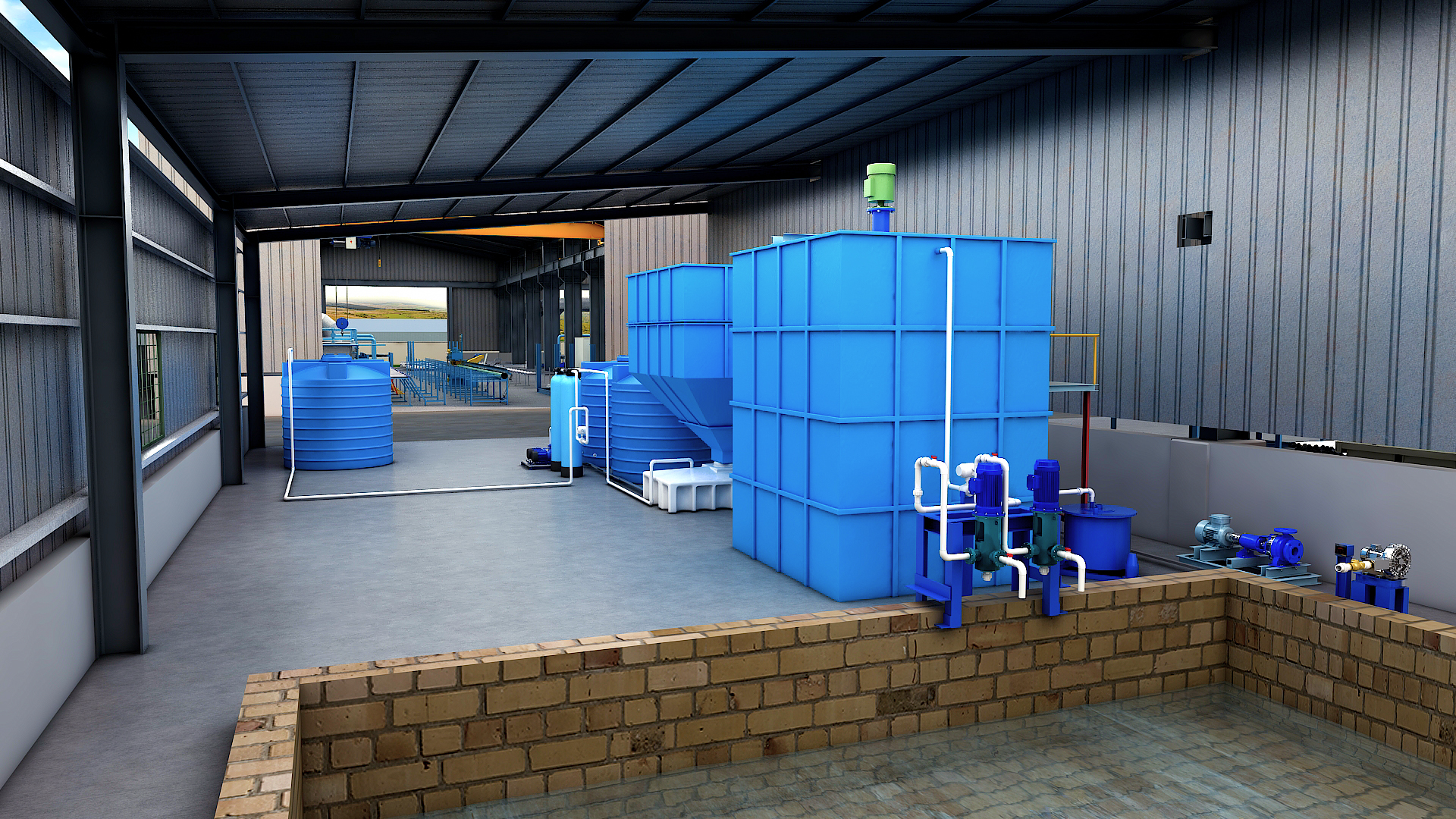
Copper-nickel alloys represent one of the most versatile and widely used families of engineering materials, combining the excellent corrosion resistance of nickel with the superior thermal and electrical conductivity of copper. These alloys have served critical roles across marine engineering, desalination plants, power generation facilities, and heat exchanger systems for over a century. Understanding their composition, properties, applications, and limitations is essential for engineers and designers selecting materials for demanding service environments.
Composition and Metallurgy: Understanding CuNi Alloys
Copper-nickel alloys are binary or ternary systems consisting primarily of copper and nickel, with nickel content typically ranging from 10% to 30% by weight. The most common commercial grades are 90-10 CuNi (90% copper, 10% nickel) and 70-30 CuNi (70% copper, 30% nickel), though specialty compositions exist for specific applications.
The metallurgical relationship between copper and nickel is particularly favorable—these two elements form a complete solid solution across all composition ranges, meaning they mix at the atomic level without forming intermetallic compounds or phases that could compromise properties. This complete solubility results in a homogeneous alloy structure that exhibits predictable and reliable performance characteristics.
Small additions of iron (typically 1-2%) and manganese (0.5-1%) are commonly included in commercial CuNi alloys to enhance mechanical properties and resistance to erosion-corrosion, particularly in high-velocity fluid flow applications. Iron forms fine precipitates that strengthen the alloy and improve resistance to impingement attack, while manganese acts as a deoxidizer and contributes to solid solution strengthening.
The 90-10 composition strikes a balance between corrosion resistance and cost, making it suitable for less aggressive marine environments and general seawater handling applications. The 70-30 alloy provides superior corrosion resistance and is specified for more demanding applications involving higher temperatures, more aggressive seawater conditions, or extended service life requirements.
Exceptional Corrosion Resistance in Marine Environments
The defining characteristic of copper-nickel alloys is their outstanding resistance to seawater corrosion, a property that has made them indispensable in marine engineering for generations. Unlike many corrosion-resistant alloys that rely on passive oxide films, CuNi alloys develop protective surface layers through a combination of mechanisms that provide robust, self-healing protection.
When exposed to seawater, copper-nickel alloys form complex surface films containing copper oxides, nickel compounds, and various seawater constituents. These films develop naturally over weeks to months of seawater exposure, gradually building up protective layers that significantly reduce corrosion rates. The films are tenacious, adherent, and resist mechanical damage better than the passive films on stainless steels.
A unique and valuable property of CuNi alloys is their inherent resistance to biofouling—the accumulation of marine organisms such as barnacles, algae, and bacterial slimes on submerged surfaces. Copper ions released at very low concentrations from the alloy surface create a hostile environment for marine organism attachment and growth. This biofouling resistance reduces maintenance requirements, prevents flow restriction in piping systems, and eliminates the corrosion acceleration that can occur beneath biological deposits.
The biofouling resistance of CuNi is particularly important in heat exchangers and condenser tubes, where biological growth can dramatically reduce heat transfer efficiency and promote localized corrosion. While anti-fouling coatings may fail or require periodic renewal, CuNi's intrinsic resistance persists throughout the material's service life.
Thermal and Electrical Conductivity Advantages
Copper-nickel alloys retain much of copper's excellent thermal conductivity, making them particularly suitable for heat transfer applications. While pure copper offers thermal conductivity around 400 W/m·K, 90-10 CuNi maintains approximately 50 W/m·K and 70-30 CuNi provides around 30 W/m·K—values substantially higher than stainless steels, which typically range from 15-20 W/m·K.
This superior thermal conductivity translates directly to improved heat exchanger performance. In marine condensers, desalination evaporators, and cooling systems, higher thermal conductivity means more compact heat exchanger designs, better thermal efficiency, and improved system performance. The combination of excellent heat transfer and corrosion resistance makes CuNi unmatched for many seawater-cooled applications.
The electrical conductivity of CuNi alloys, while lower than pure copper, remains adequate for applications requiring both electrical performance and corrosion resistance. The 90-10 alloy maintains approximately 9% of copper's electrical conductivity (IACS), while 70-30 provides around 4-5% IACS. These values support applications in marine electrical systems, resistance welding electrodes, and electromagnetic shielding where corrosion resistance is essential.
Marine Applications: Where CuNi Alloys Dominate
The marine industry represents the largest application sector for copper-nickel alloys, where their unique property combination addresses challenges that alternative materials cannot match economically or technically.
Shipboard Systems: Naval vessels and commercial ships extensively use CuNi tubing for seawater piping systems, heat exchangers, and condensers. The U.S. Navy has specified 90-10 CuNi for fire-main systems and 70-30 CuNi for critical seawater cooling applications for decades. The alloys' reliability in corrosive seawater, resistance to shock and vibration, and freedom from catastrophic failure modes make them ideal for maritime service where maintenance access is limited and failure consequences are severe.
Desalination Plants: Thermal desalination facilities processing seawater into potable water use CuNi extensively in multi-stage flash (MSF) and multi-effect distillation (MED) evaporators. The combination of seawater corrosion resistance, high thermal conductivity, and biofouling resistance makes 90-10 CuNi the material of choice for evaporator tubes. Large desalination facilities may contain hundreds of thousands of CuNi tubes, representing a critical infrastructure investment that must perform reliably for 20-30 years or more.
Power Generation: Coastal power plants using seawater cooling systems specify CuNi for condenser tubes that transfer waste heat from steam turbines to cooling water. The ability to handle high-temperature condensate on one side and seawater on the other, while maintaining excellent heat transfer and resisting corrosion from both environments, makes CuNi technically and economically competitive despite higher material costs than alternatives.
Offshore Platforms: Oil and gas production platforms use CuNi in seawater lift systems, fire suppression lines, and cooling water circuits where corrosion resistance and reliability are paramount. The harsh offshore environment, limited maintenance opportunities, and safety-critical nature of these systems justify the premium invested in CuNi materials.
Industrial Process Applications Beyond Marine Service
While marine applications dominate CuNi usage, several industrial sectors exploit these alloys' properties for demanding process environments.
Chemical Processing: CuNi alloys resist corrosion in various chemical process streams, particularly those containing chlorides, sulfides, and other aggressive species. They find application in heat exchangers, reaction vessels, and piping systems handling brines, organic acids, and chlorinated hydrocarbons. The 70-30 composition provides enhanced resistance to more aggressive chemicals at elevated temperatures.
Food and Beverage Processing: The antimicrobial properties of copper-nickel alloys, combined with their corrosion resistance, make them suitable for food processing equipment, brewery systems, and beverage handling. The alloys resist corrosion from acidic fruit juices, fermentation products, and cleaning chemicals while naturally inhibiting bacterial growth on surfaces.
Hydraulic Systems: High-pressure hydraulic equipment in mobile and industrial applications uses CuNi alloys for fluid lines that must resist corrosion from water-based hydraulic fluids while maintaining mechanical strength and fatigue resistance. The alloys' ductility accommodates vibration and shock loading without brittle failure.
Fabrication Characteristics and Joining Methods
Copper-nickel alloys exhibit excellent fabricability through conventional metalworking processes, though certain considerations optimize results and avoid processing difficulties.
Cold Working: CuNi alloys can be cold-formed, drawn, and bent with relative ease. The materials work-harden during cold deformation, developing increased strength and hardness. For extensive cold working, intermediate annealing may be required to restore ductility. The alloys' ductility allows tube bending, flaring, and expansion operations common in heat exchanger manufacturing and piping installation.
Hot Working: Hot forming, forging, and extrusion of CuNi alloys proceed readily at temperatures between 700-950°C. Hot working produces wrought products with excellent mechanical properties and uniform microstructure. Care must be taken to avoid working at temperatures above 950°C where hot shortness can occur, or below 650°C where excessive working forces may be required.
Welding: Copper-nickel alloys are readily weldable by gas tungsten arc welding (GTAW/TIG), gas metal arc welding (GMAW/MIG), and other fusion processes. Properly welded joints achieve strength levels comparable to base metal. Filler metals are specifically formulated for CuNi welding, typically containing additional elements to accommodate dilution and optimize weld metal properties. Preheating is generally not required except for very heavy sections, and post-weld heat treatment is unnecessary for corrosion resistance.
Brazing and Soldering: CuNi components can be joined by brazing with appropriate filler metals. Soldering is practical for low-stress applications, though the joint strength is limited by the solder properties rather than the base metal.
Mechanical Properties and Structural Considerations
Copper-nickel alloys provide moderate strength levels suitable for pressure vessels, piping systems, and structural components, though they do not match the ultimate strength of high-strength steels or nickel alloys.
The 90-10 alloy typically exhibits tensile strength around 300-380 MPa and yield strength approximately 110-170 MPa in annealed condition. Cold working substantially increases these values—heavy cold working can raise tensile strength above 450 MPa and yield strength above 350 MPa.
The 70-30 composition offers higher strength, with tensile values around 380-450 MPa and yield strength 150-200 MPa in annealed temper. Cold working similarly enhances these properties.
The alloys maintain excellent ductility even at low temperatures, with elongation values typically 30-45% in annealed condition. This ductility, combined with good impact resistance, makes CuNi suitable for applications involving shock loading, vibration, and low-temperature service where brittle fracture is a concern.
Fatigue resistance of CuNi alloys is adequate for most marine and industrial applications, though design considerations should account for stress concentrations, corrosion fatigue in seawater environments, and the effects of marine growth or erosion on fatigue life.
Cost Considerations and Economic Trade-offs
Copper-nickel alloys represent a premium material choice with costs significantly higher than carbon steel or standard stainless steels. The material cost reflects the base metal prices of both copper and nickel, both of which are subject to commodity market fluctuations.
At typical market prices, CuNi alloys cost 3-5 times more than 304 stainless steel and 10-20 times more than carbon steel on a per-kilogram basis. This cost differential demands careful economic analysis weighing initial material investment against lifecycle benefits.
The economic case for CuNi rests on several factors that often justify the material premium:
Extended Service Life: CuNi systems commonly achieve 20-30 year service lives in seawater environments where stainless steels might require replacement in 5-10 years. The avoided costs of premature replacement, system downtime, and replacement installation often overwhelm the initial cost differential.
Reduced Maintenance: The biofouling resistance and corrosion resistance of CuNi minimize cleaning requirements, coating maintenance, and inspection frequency compared to alternative materials. Over decades of operation, these maintenance savings accumulate substantially.
System Reliability: The predictable, stable corrosion behavior of CuNi reduces the risk of unexpected failures, unplanned downtime, and emergency repairs—costs that can far exceed material premiums in critical applications.
Design Optimization: Higher thermal conductivity allows more compact heat exchanger designs with fewer tubes or smaller surface areas, partially offsetting material cost through reduced material quantities.
Limitations and Performance Trade-offs
Despite their advantages, copper-nickel alloys have inherent limitations that constrain their application range and drive material selection toward alternatives in certain scenarios.
Velocity Limitations: CuNi alloys are susceptible to erosion-corrosion and impingement attack at high fluid velocities. Maximum recommended seawater velocities are approximately 2.5-3.0 m/s for 90-10 CuNi and 3.5-4.0 m/s for 70-30 CuNi. Exceeding these velocities can erode protective surface films and cause accelerated metal loss. This velocity sensitivity requires larger diameter piping and heat exchanger tubes compared to titanium or high-grade stainless steels that tolerate higher velocities.
Ammonia Sensitivity: Copper-nickel alloys suffer stress corrosion cracking in environments containing ammonia, even at low concentrations. This sensitivity prohibits CuNi use in refrigeration systems using ammonia refrigerants and requires careful attention to potential ammonia contamination in industrial process applications.
Sulfide Corrosion: While generally resistant to seawater, CuNi alloys can experience accelerated corrosion in stagnant or low-flow conditions that allow sulfide accumulation, particularly in harbors with high organic content or polluted waters. Design measures ensuring adequate flow velocities and periodic flushing mitigate this risk.
Galvanic Compatibility: When coupled to more active metals (steel, aluminum, zinc) in seawater, CuNi acts as a cathode and accelerates corrosion of the more active metal. Proper design must isolate dissimilar metals or accept accelerated corrosion of sacrificial anodes protecting CuNi structures.
Strength Limitations: For high-pressure applications or structural loads requiring ultimate strength above 500 MPa, CuNi alloys may prove inadequate, necessitating higher-strength alternatives despite corrosion resistance penalties.
Temperature Constraints: Above approximately 300°C, CuNi alloys begin to lose mechanical strength, and oxidation becomes significant. High-temperature applications require alternative materials such as nickel-based superalloys or stainless steels.
Material Selection: When CuNi is Right—and When It Isn't
Copper-nickel alloys excel in applications meeting several criteria simultaneously: seawater or brackish water exposure, heat transfer requirements, biofouling concerns, long design life expectations (20+ years), and moderate strength demands.
CuNi is the optimal choice when:
- Seawater corrosion resistance and biofouling resistance are both required
- Thermal conductivity significantly impacts system performance
- Long-term reliability and low maintenance justify material premiums
- Fluid velocities remain within recommended ranges
- Design conditions avoid ammonia exposure
Alternative materials merit consideration when:
- Maximum seawater velocities exceed 4 m/s (consider titanium)
- Ammonia is present in any form (use stainless steels)
- Initial cost dominates lifecycle economic analysis (consider coated carbon steel for shorter design lives)
- High mechanical strength is paramount (use high-strength stainless steels or nickel alloys)
- Freshwater service eliminates biofouling concerns (stainless steels may suffice)
Future Outlook and Emerging Applications
Copper-nickel alloys continue evolving to address emerging challenges in marine engineering, water treatment, and industrial processing. Research focuses on optimizing compositions for specific environments, improving erosion-corrosion resistance, and developing manufacturing techniques that reduce costs.
Additive Manufacturing: Emerging metal 3D printing technologies enable complex CuNi components previously impractical with conventional fabrication. Heat exchangers with optimized flow geometries, integrated manifolds, and functionally graded compositions represent potential applications where additive manufacturing could expand CuNi utilization.
Hybrid Materials: Composite structures combining CuNi with other materials—such as CuNi linings on steel substrates—offer corrosion resistance where needed while using less expensive materials for structural loads, potentially expanding the economic envelope for CuNi applications.
Water Scarcity Applications: Global water scarcity drives desalination plant expansion, creating sustained demand for CuNi in both traditional thermal desalination and emerging hybrid systems. The material's proven reliability in seawater service positions it favorably for this growing market.
Conclusion
Copper-nickel alloys occupy a unique position in the materials landscape, offering property combinations that remain unmatched for specific demanding applications despite a century of metallurgical advancement. Their exceptional seawater corrosion resistance, intrinsic biofouling resistance, excellent thermal conductivity, and reliable long-term performance justify their premium cost in applications where these properties deliver value.
Understanding both where CuNi alloys shine and where their limitations constrain application enables informed material selection decisions. For marine systems, desalination plants, and seawater heat exchangers designed for multi-decade service lives, copper-nickel alloys continue setting standards that alternative materials struggle to match economically. Their trade-offs—primarily cost, velocity sensitivity, and ammonia incompatibility—are well understood and manageable through proper design and application engineering.
As global industries increasingly value lifecycle costs over initial expenditures and prioritize reliability in critical infrastructure, the fundamental advantages of copper-nickel alloys ensure their continued importance in the material selection toolkit for demanding corrosive service environments.